
Over 1,000 feet underground in the High Sierras, far beyond the reach of burrowing creatures, rumbles a machine that serves as a mighty rechargeable battery for the electric grid.
“Whenever the electric grid needs extra support, we activate this plant to help provide steady electricity,” said Noah Ray, senior supervisor of Southern California Edison’s Big Creek Dispatch and Plant Operations. “It generates 200 megawatts, which is enough to power about 140,000 homes.”
Noah Ray, senior supervisor of SCE’s Big Creek Dispatch and Plant Operations, offers a look inside the John S. Eastwood Pump Storage Plant.
With only a handful of other hydroelectric plants like it in the state, the John S. Eastwood Pump Storage Plant helps create more reliable energy for customers across SCE’s service area by being ready to operate at a moment’s notice.
The site started in the 1980s as a station to generate electricity for the Big Creek Hydroelectric Project. Years later, Eastwood Power Station gained the power of the pump and its ability to store that energy.
The mixture of history and technology is a source of pride for many working in hydroelectricity — including Ray, who started at the plant as a student intern at 17.
“You’ll find that a lot of employees are third and fourth generation, some of whose fathers helped build this place,” said Ray. “We have a tight-knit community around where you know all your neighbors’ names and can rely on each other.”
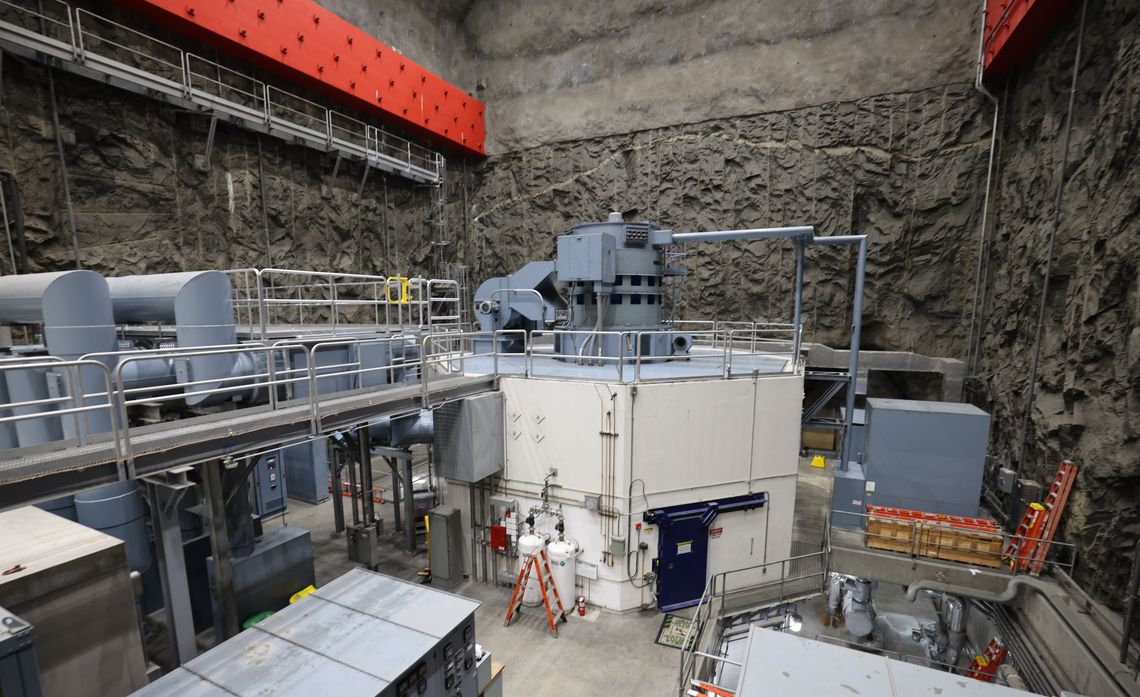
Despite their proximity to the plant, community members often tell Ray they’d been driving by the building on their daily commute for years before learning its purpose. When Ray leads tours for customers from near and far, he tackles one of his favorite questions: How can you make and store electricity from the water?
The answer revolves around the pump, which pushes water uphill to Balsam Meadow Forebay when electricity is cheap — often during the sunniest parts of the day when solar power is producing excess energy — and then uses gravity to let the water flow downhill to Shaver Lake, creating electricity when demand and prices are higher. By storing energy when it’s cheaper and generating it when it’s more valuable, the plant helps lower costs for customers.
There’s another bonus: While batteries can degrade over time, hydroelectric plants are designed to operate for generations, providing consistent clean energy while helping California reach its goal of being carbon neutral by 2045.
“The beautiful thing about hydro projects like Eastwood is not only is it clean energy that it provides, but it's also a forever asset,” said Ray. “It will continue to provide clean power for the next generation.”
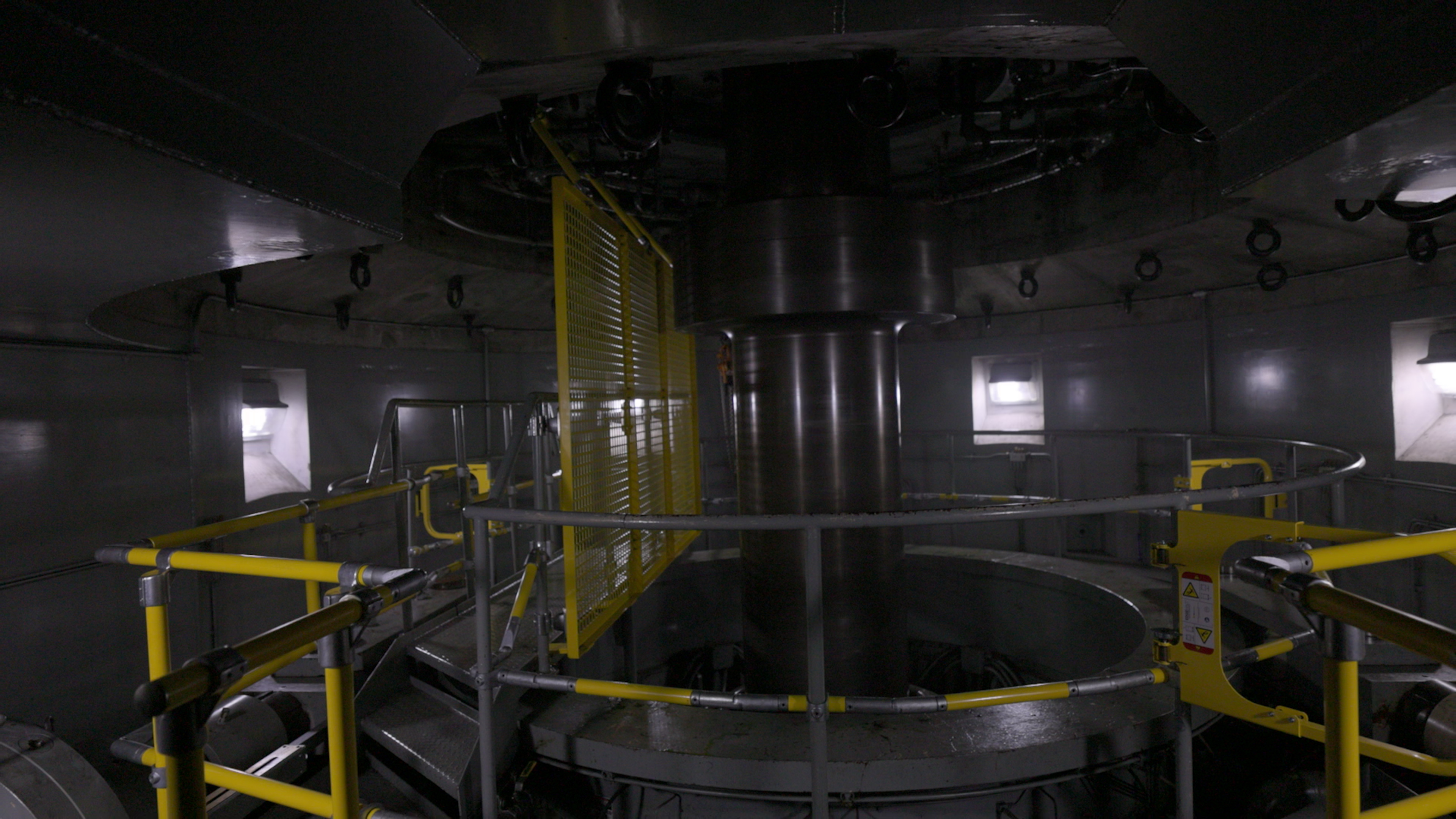
Like the community that has maintained it throughout the years, the plant, too, continues to evolve. A recently installed digital system allows for faster, more accurate responses to changes in the electric grid, helping keep electricity flowing smoothly.
“It’s really satisfying when we find ways to make a new piece of equipment work with machinery that’s been running for a while,” said Ray. “Working with engineers and other teams to blend the old with the new and keep these plants running is a challenge, but rewarding.”
For more on SCE’s clean energy efforts, visit edison.com/cleanenergy.