

Clearing the Way for Safe and Efficient Hydropower




Clearing the Way for Safe and Efficient Hydropower

High in the Sierra Nevada, if you listen closely, you’ll hear the steady hum of Southern California Edison’s hydroelectric power plants generating clean, carbon-free energy. For SCE’s Marc Jones, the continuous rush of water is a reassuring indicator that the generation systems are operating smoothly and safely.
“We take dam safety seriously; protecting this critical infrastructure is key to its safe operations,” said Jones.
Jones works with SCE’s Vegetation Management team and part of his role includes protecting the company’s 32 hydroelectric power plants, which present a unique set of challenges. Because of the scale of dam facilities, interaction with water pressure and exposure to natural elements, specialized maintenance is needed.
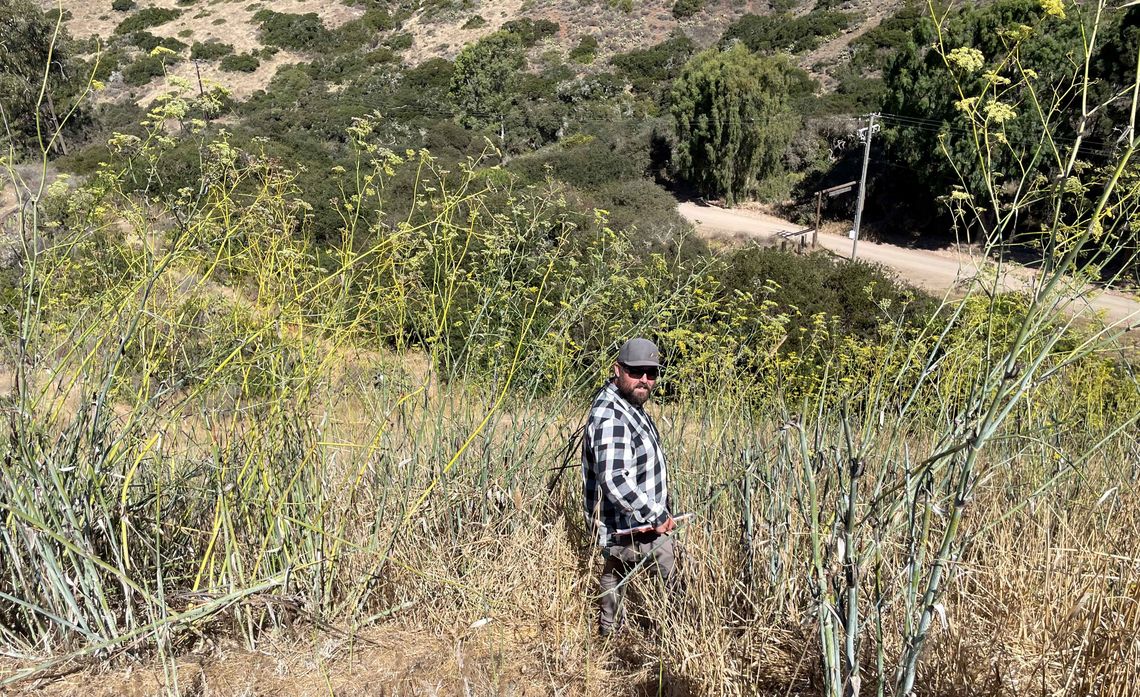
“Dams are not susceptible to common fire hazards, as they’re not made of flammable materials,” said Jones. “However, dams can be impacted by overgrown vegetation.”
Jones manages SCE’s vegetation and pest management program that balances preserving the safety of hydroelectric facilities with minimizing the impact to woodland habitats. While overgrown vegetation and animals are natural to the mountain regions favorable to hydroelectric generation, they can threaten the structural integrity of dams and other equipment.
“As trees and shrubs develop their roots, they can lead to structural problems by creating areas where water could flow,” said Jones. “We also monitor for animals that can burrow at the foundation or face of the dam creating holes in the sediment.”
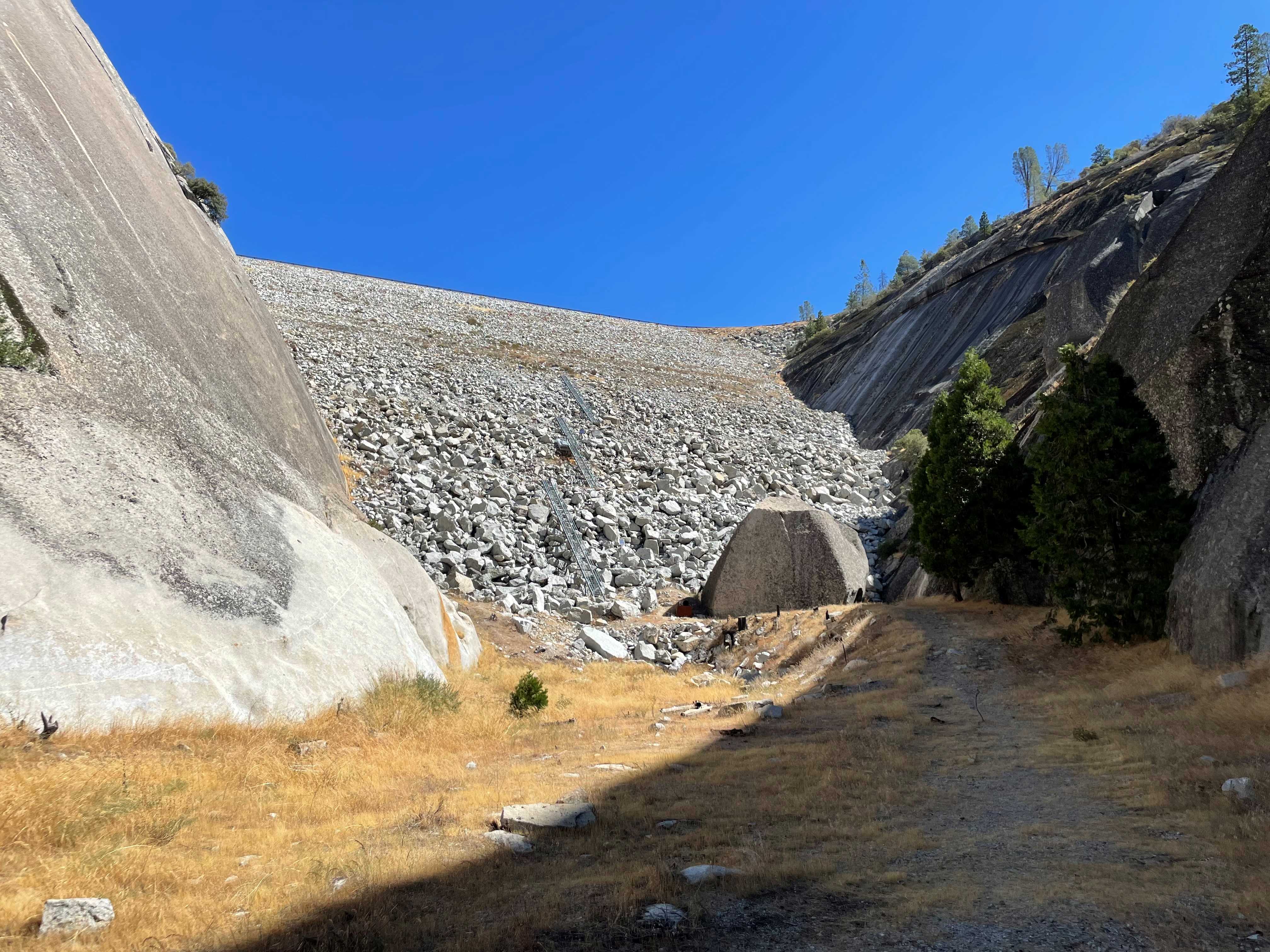
SCE’s vegetation and pest management program protects the dams from invasive brush and animal related hazards.
Vegetation crews perform annual inspections and regular maintenance to preserve the necessary defensible space around dams. During the inspections, they determine if any hazards need to be cleared, like a tree or shrub growing near a dam and its potential impact on operations. Crews then carefully cut and remove vegetation without impacting local ecosystems.
“Maintaining or improving existing conditions is always less impactful than reacting to an arising hazard,” said Jones.
The vegetation and pest management program is a first line of defense against overgrown trees and invasive plants and is part of a larger effort to maintain dam safety.
“We work closely with state, federal and environmental teams to make sure we are on top of all licensing rules and limit our maintenance work to only the areas needed for safe operations,” said Jones.
Ahead of National Dam Safety Awareness Day on May 31, follow these tips to keep yourself and loved ones safe on and near the water:
- Obey all signage.
- Never swim near a dam or dive from a dam structure. Dangerous currents can pull you through the dam or against flow structures.
- Never fish, boat or swim immediately below a dam where water levels and flows change quickly.
- Never moor, tie or anchor your boat immediately below a dam.
- Keep personal watercrafts and boats clear of dams.
- Stay outside boomed areas.
- Stay away from areas that may flood due to dam operations.
- Never get into a water canal or flume. They have steep, slippery sides and icy cold water and it can be very difficult to get out of one.
Lake and River Safety
- Check water levels before jumping into lakes and rivers.
- Watch for signs of rising, swift and cold water.
- If flows in the creek or river are rising, find high ground. Do not attempt to walk or drive through flowing water.
- Pay attention to signs identifying areas prohibited from public access, and in some places, early-warning sirens that alert the public to move to high ground.
- Research the area you plan to visit. Be aware of your swimming and paddling abilities relative to conditions and types of current. Find more information at americanwhitewater.org, paddling.com and paddlewise.org.
For more information on SCE’s vegetation management efforts, visit sce.com/powerlines.