

Undergrounding is Underway in Malibu


Undergrounding is Underway in Malibu

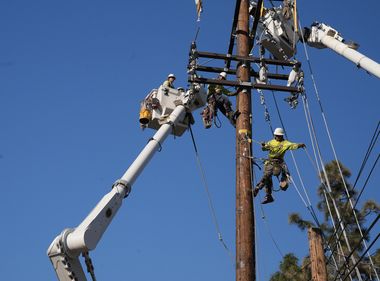
Whether you’re cruising down Pacific Coast Highway or driving along Malibu’s winding canyon roads, there’s a good chance you’ll catch a glimpse of Southern California Edison team members in action.
Southern California Edison works to underground 20 of 90 miles planned in the Malibu area.
For the last six months, since the Palisades Fire, crews have been scattered all over town working as safely and quickly as possible to replace parts of the existing overhead equipment with a new underground system.
“SCE is working to accelerate about 20 miles of underground infrastructure throughout the Malibu burn scar area,” said Jordan Slider, SCE Targeted Undergrounding project manager. “Another 17 miles are in scope in the area but not yet in construction.”
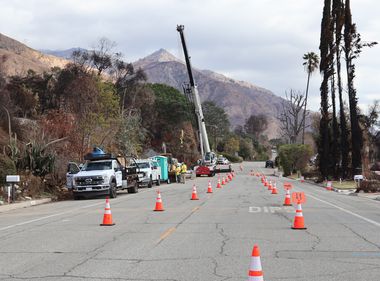
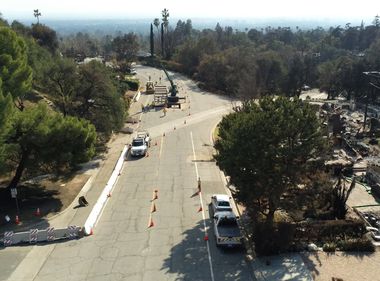
Of the 37 miles planned within the burn scar, about four miles run along PCH, and the rest are spread throughout the canyons — focused on areas that have an elevated risk of fire. This is the first phase of a larger 90-mile plan.
“A lot of these canyon roads are narrow and there's only one lane each way, so it's hard for property owners and first responders to get in and out,” Slider said. “SCE is undergrounding to mitigate the risk that the overhead lines may have during a fire.”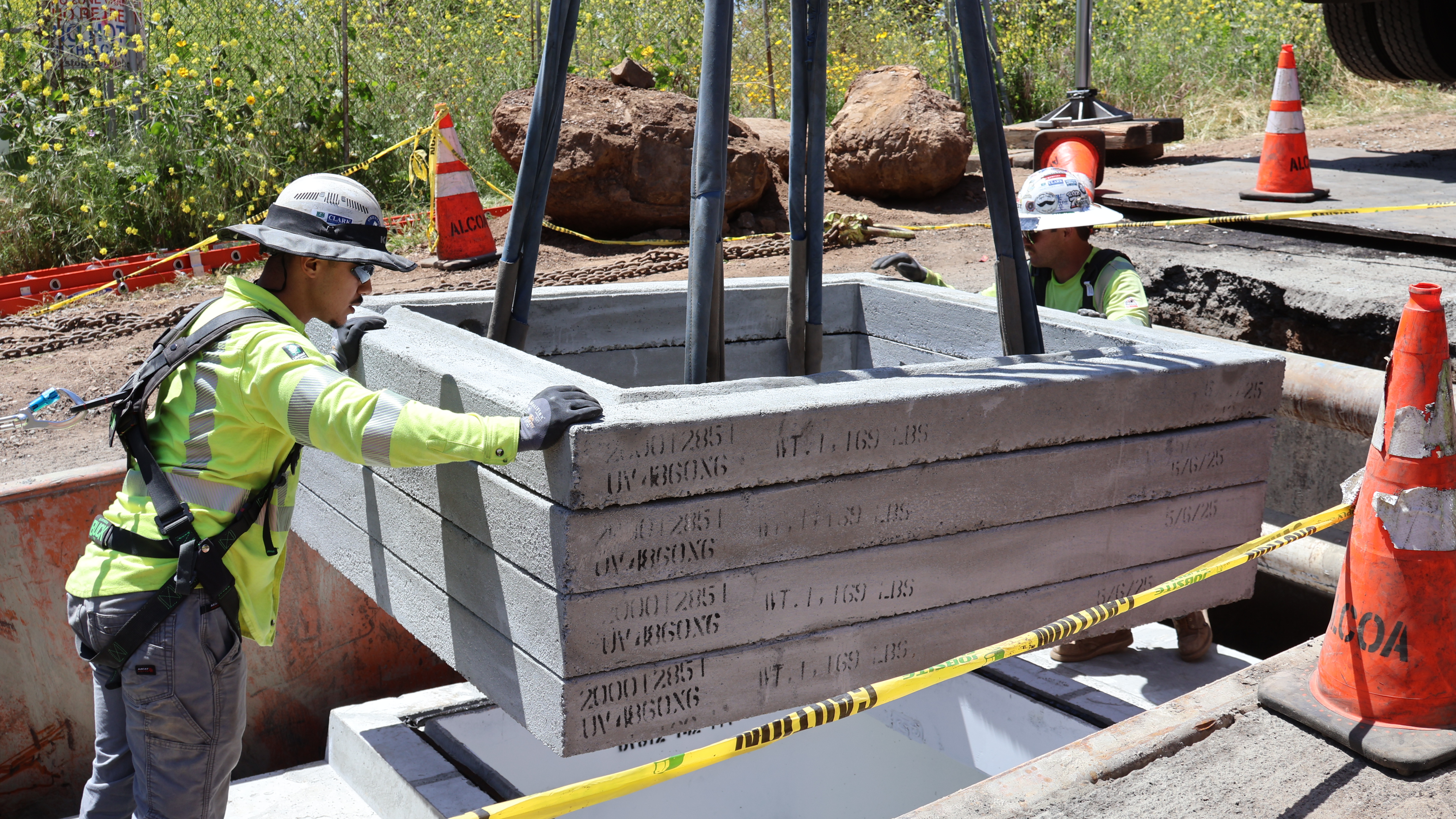
Underground vaults are installed in two pieces, lowered into place by crane.
From start to finish, undergrounding projects typically take years. In this case, much of the project was already planned and designed before the Palisades Fire but needed permits before construction could begin — which often takes months.
After the fire, city, state and county officials saw the opportunity to help strengthen the grid and expedited permitting, allowing SCE to jump into construction almost immediately.
“Once we had the permits, we were able to green light eight different contractors to begin potholing, vault setting and trenching,” Slider said. “Along PCH, we are already done setting the vaults and, in the canyons, we’ve made a lot of progress. Some spots we have already begun pulling cable through the newly installed underground equipment.”
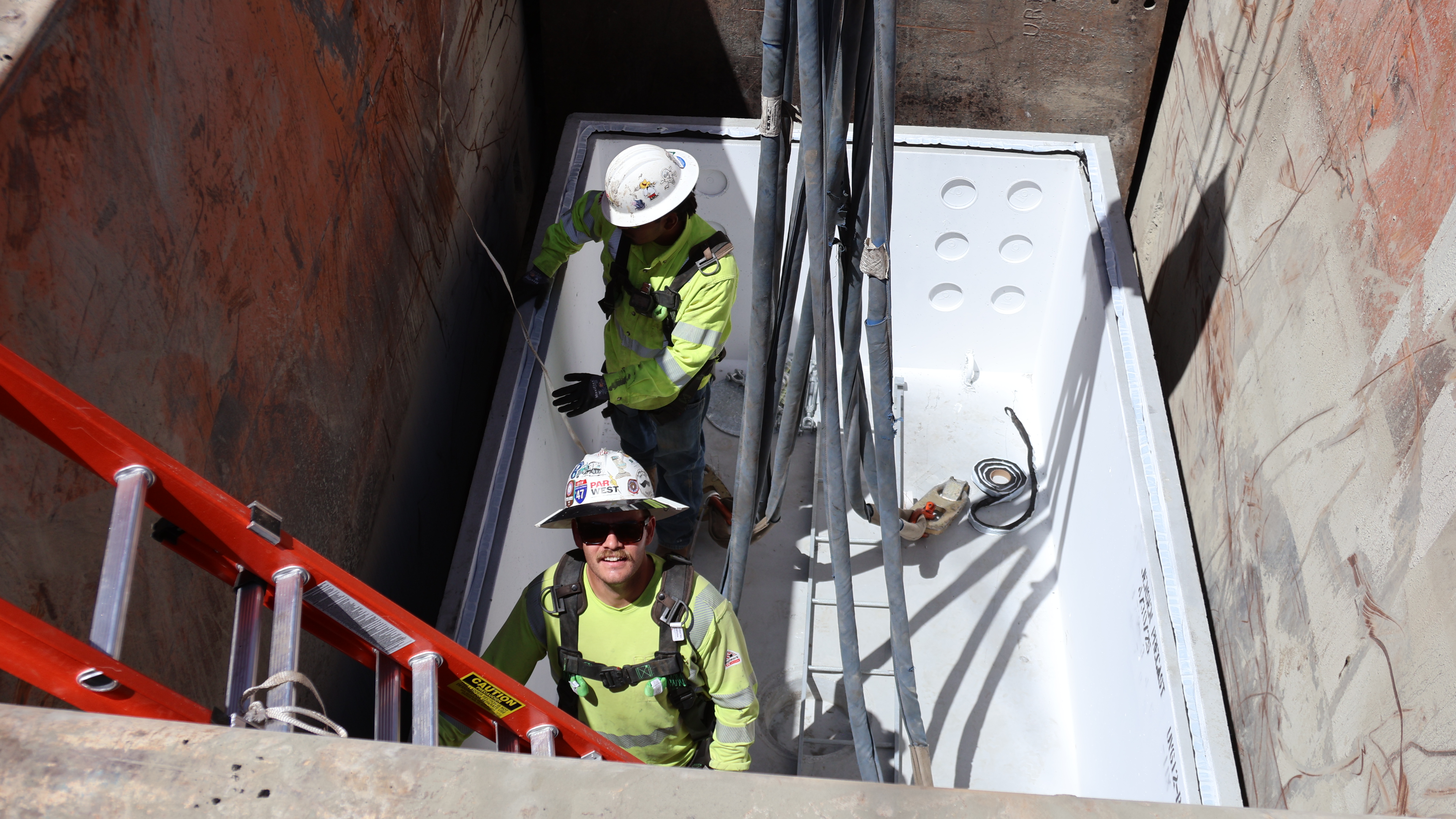
The vaults will house power lines and other electrical equipment, and act as an access point for crews when needed.
Potholing is when crews use shovels and excavators to locate existing underground utilities, so they aren’t damaged while creating new underground paths for the electrical equipment.
Once the holes are dug, cranes lower concrete vaults into their new home which will soon have power lines running through them and act as an access point when lineworkers need to work on the system.
The last part of the excavation is trenching — where crews dig out the paths that conduit will run underground and connect through each vault before splitting off to end users to provide power to electrical panels.
While SCE believes undergrounding is an important tool to help mitigate utility-caused ignitions, undergrounding is not always possible due to terrain and other factors.
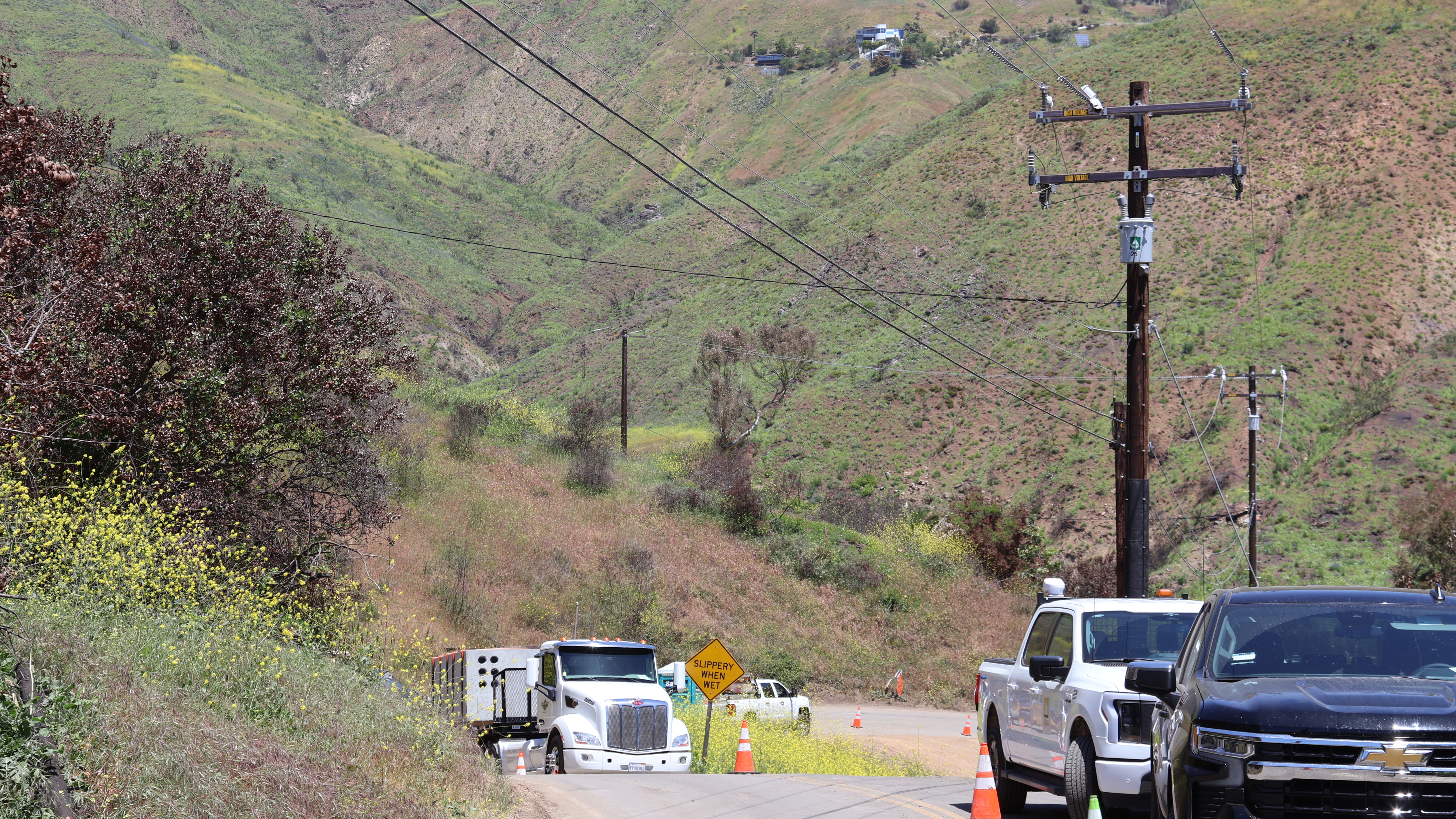
Undergrounding work is focused on high fire risk areas with egress issues.
“While our pole lines can go over mountains and through canyons, our underground equipment needs to follow a paved road or a dirt road,” Slider said. “In some cases, the best way to provide wildfire safety is through covered conductor.”
In and around Malibu, SCE is planning to underground a total of 90 miles. As for the parts currently under construction, SCE hopes to have them completed by the end of the year.
“While we can never give back what the fire took from this community, it feels good to be a part of a company that is doing everything it can to make the community safer and prevent further devastation,” Slider said.
For more information, visit sce.com/wildfire.