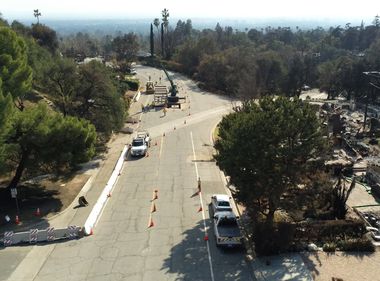
In the hills of Altadena, surrounded by the devastating rubble left by the Eaton Fire, crews have been working on an accelerated timeline to complete over a mile of power line undergrounding.
“Since we are on an expedited schedule, we’ve been moving quickly. We performed a large part of the construction in a matter of days,” said Thomas Hartley, Southern California Edison civil inspector.
Hartley is in charge of overseeing the contractors that handle the construction portion of the job. Once construction is completed, electrical cable and equipment can be installed and the system energized. But an undergrounding project starts long before any holes are dug.
Step 1: Planning
First, engineers determine if putting equipment underground is feasible. Aside from terrain challenges, SCE’s planners must work with other utilities and government agencies to outline existing underground obstacles such as storm drain, water, sewer and gas lines. That allows planners to create a design for where equipment like vaults, manholes and conduits might fit. This process can take over a year at times.
In this case, the location had been identified as a high fire risk area and the design had already been completed before the Eaton Fire.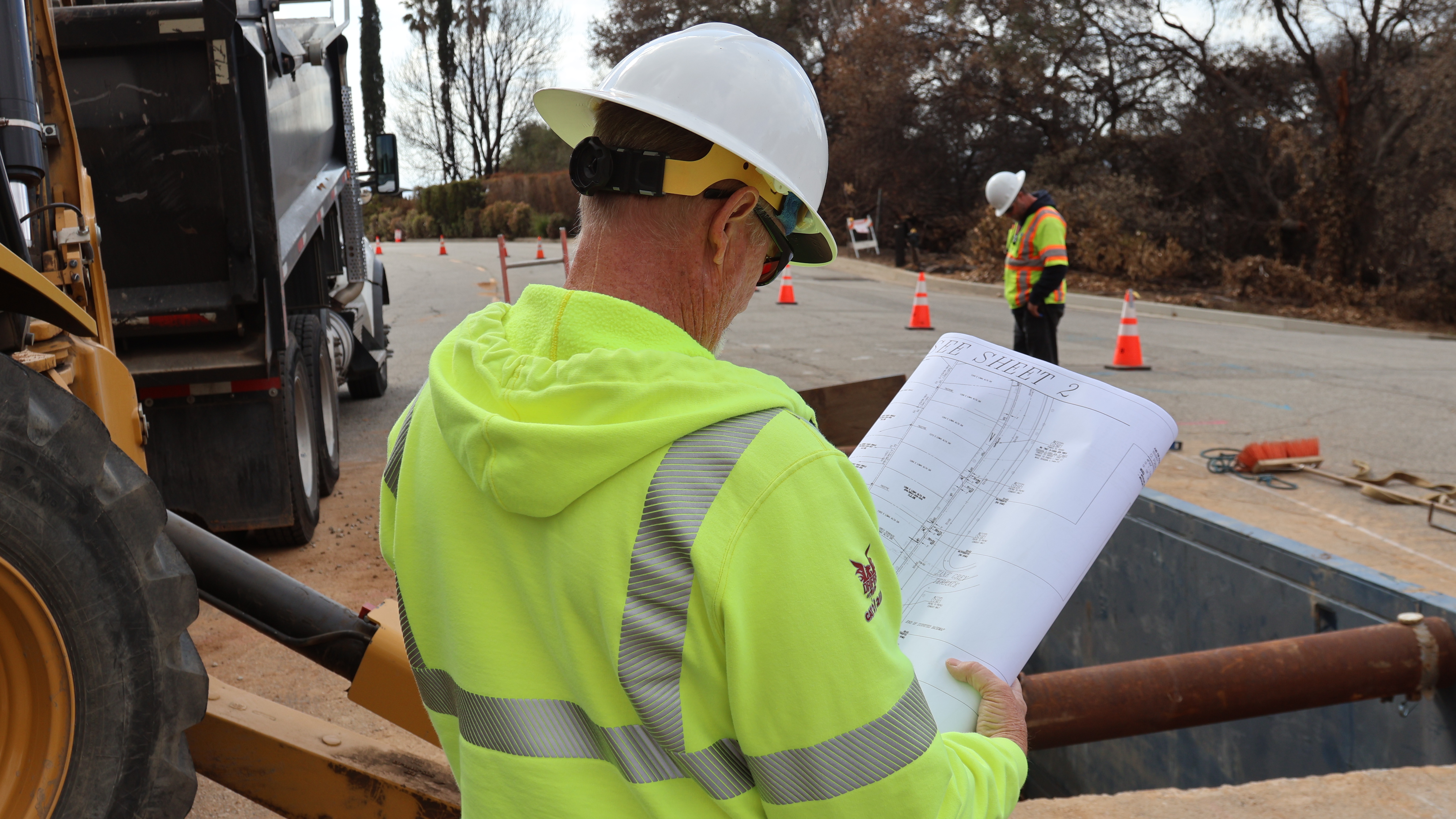
Step 2: Permitting and easements
This can be one of the lengthiest parts of the project. SCE must get permits from applicable county, state and environmental agencies before construction can start.
“After the devastating events in this community, we were granted expedited permitting which allowed us to move a lot faster,” said David Fanous, SCE’s Wildfire Restoration and Rebuild operations chief. “Normally a project like this would take three years from end to end. We are going to do it in less than a third of that.”
Another hurdle can be obtaining the necessary property rights, such as easements. In some cases, without property owner permission, SCE crews may be unable to underground stretches of equipment servicing entire neighborhoods.
Step 3: Construction
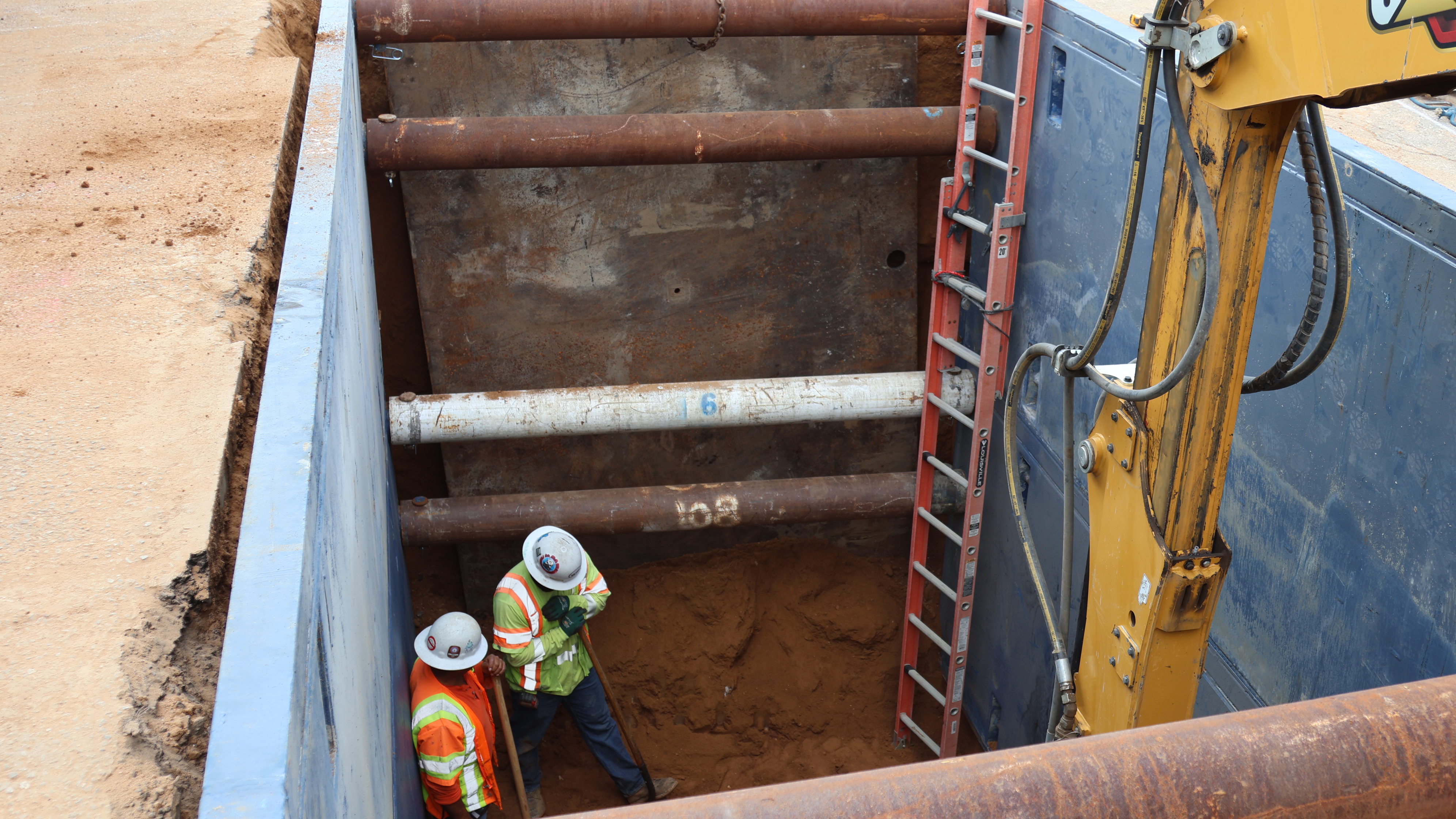
With plans in hand and permitting complete, construction for the more than a mile stretch in Altadena is expected to be complete in the next few months. That includes potholing, vault setting, trenching, conduit installation and repaving.
Potholing is when crews use shovels and excavators to locate existing underground utilities so they aren’t damaged while creating new underground paths for the electrical equipment.
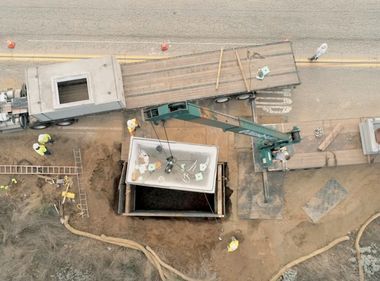
Once the holes are dug, cranes lower 7’x14’x8’ concrete vaults into their new home which will soon have power lines running through them. It will also act as an access point when lineworkers need to work on the system.
“We excavated and set two main vaults in one day,” said Hartley.
“Just the construction part of a project can often take six months or longer, but we are going to get this first part done in three to four weeks,” added Fanous.
The last part of the excavation is trenching. Because of its tedious nature, it is also what will eat up most of the three-week timeline.
Crews dig trenches where conduit will run underground and connect through each vault before splitting off to homes to provide power to the electrical panels.
Then, the concrete is repaved and SCE line crews energize the system.
“Altadena is a tight-knit community, you can see it from all the ‘We Are Altadena’ signs they have posted — they are very proud of their city,” Hartley said. “I really hope to see it rebuilt and I’m proud to be part of that effort.”
For more information, visit sce.com/targetedundergrounding.