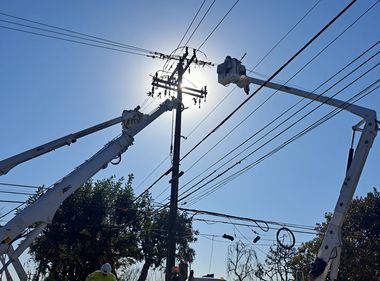
After windstorm-driven fires erupted throughout SoCal, Southern California Edison crews have been working tirelessly to rebuild the electrical system with a mission of building back stronger and more resilient.
While SCE is constantly working to strengthen the grid, following the fires, crews have been replacing damaged equipment with more fire-resistant equipment like coated wire known as covered conductor and, in some cases, underground power lines.
“When it comes to targeted undergrounding, we focus on high fire risk areas to reduce the threat of ignition and increase the reliability of our systems,” said David Fanous, SCE’s Wildfire Restoration and Rebuild operations chief. “We can’t do it everywhere due to terrain or other factors, and it can be an expensive process, so we want to be conscious of the financial impact to our customers.”
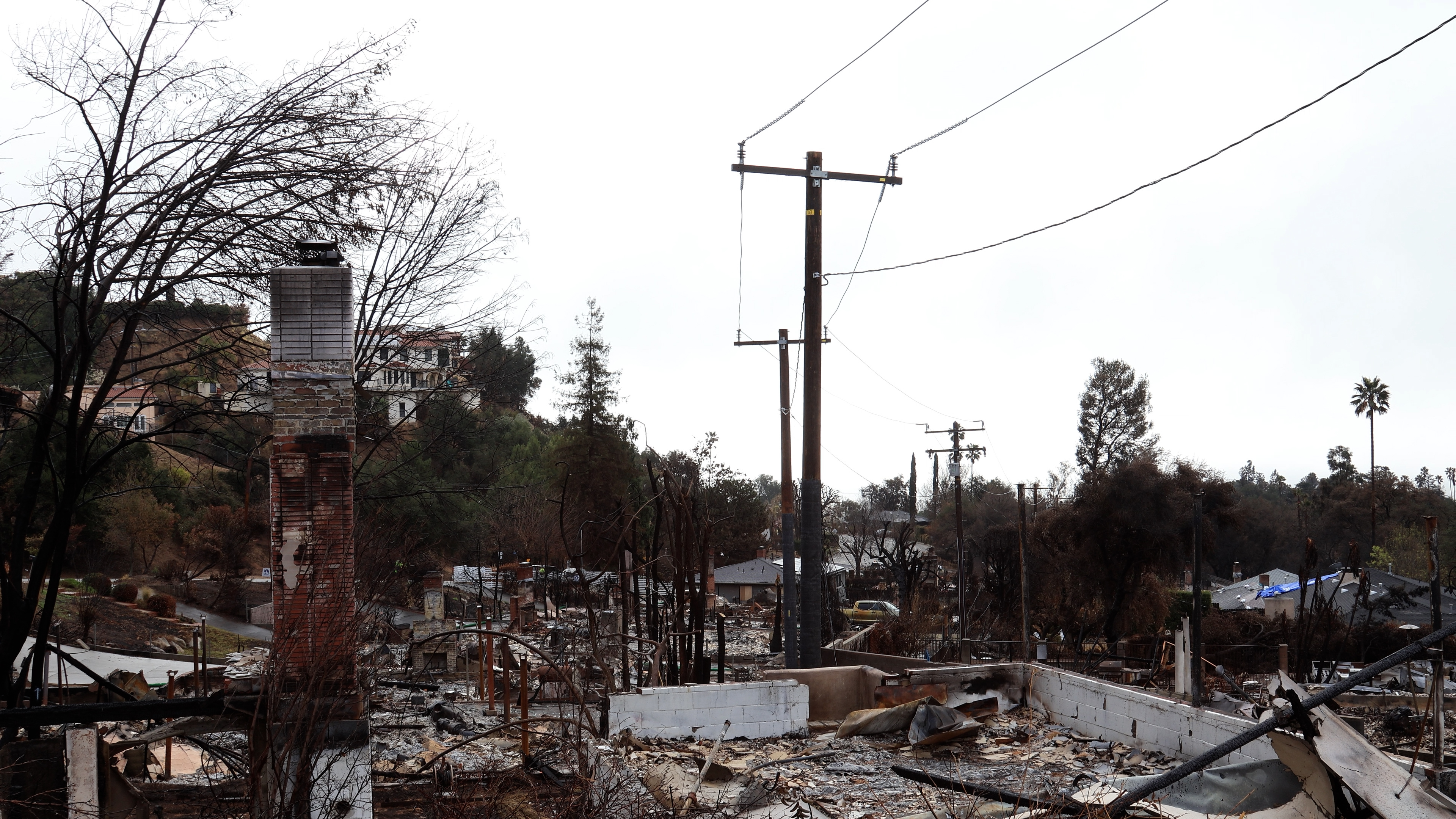
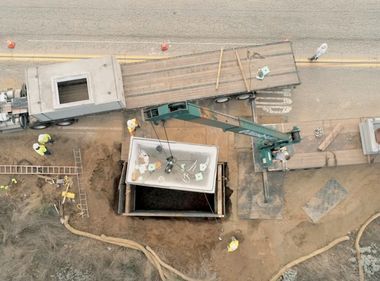
In Altadena and Malibu, work has started to underground multiple sections of lines. In these locations, SCE has fast-tracked projects to meet expedited timelines.
In Altadena — through an area heavily impacted by the recent fire — SCE had existing plans to underground nearly a mile of overhead power lines that run through a high fire risk neighborhood.
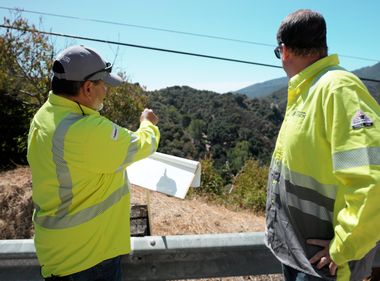
“After the devastating events in the area, we identified another half mile of undergrounding that we could expedite,” Fanous said. “Right now, teams of engineers, planners and project managers are assessing the feasibility of where we can potentially plan for additional undergrounding in fire damaged communities.”
In Malibu, crews are working to underground more than 25 miles, including along the Pacific Coast Highway.
Construction was able to get underway in Altadena and Malibu in part because plans were already developed as part of SCE’s Wildfire Mitigation Plan. The current situation prompted cities, counties and other organizations to expedite permitting — helping SCE start work almost immediately.
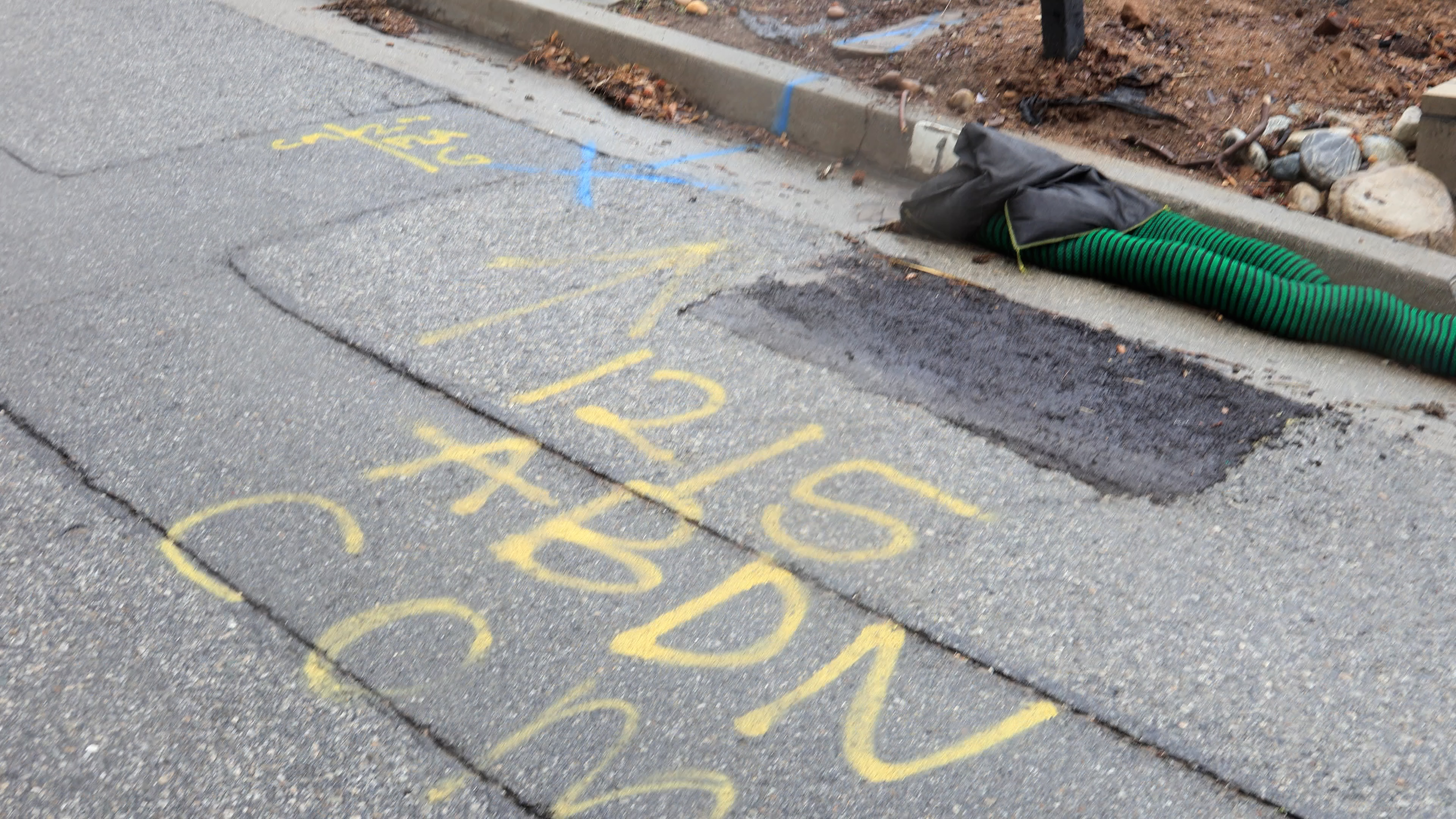
For a typical undergrounding project, the process usually takes multiple years. It starts with identifying high fire risk areas and completing a feasibility study. If deemed feasible, engineers and planners create a design that maps out where the equipment will be buried. Then, SCE applies for construction, environmental and regulatory permits — usually the lengthiest part of the project — and approaches customers for needed easements. Undergrounding can require homeowner’s yards and landscaping to be disturbed and electric panels to be modified, replaced or relocated. Delays for undergrounding entire neighborhoods can come from the concerns and hesitancy of a few residents.
Undergrounding is just one tool that SCE is using to strengthen the grid and increase resiliency. As part of the rebuild after the fires, SCE has converted five 4-kV circuits to 16 kV — an upgrade that increases the power capacity of the local grid for future demand — and installed coated wire for most of the rebuilt grid.
“The rebuild process will take time for these communities, and as someone who grew up in the San Gabriel Valley with friends and coworkers who have really been impacted, it gives me a lot of pride to say I am a part of the process to help build back stronger,” Fanous said.
For more information, visit sce.com/disasterrecovery.