On a typical July evening, while Californians were unknowingly enjoying dinner, a record-breaking 535 megawatts of clean energy pulsed across the state’s electric grid — enough to power approximately 446,000 homes for two hours.
This time, that energy wasn’t coming from large solar farms or wind turbines — it came from home and business batteries owned by customers, more than a third from tens of thousands of Southern California Edison customers.
“This was a huge milestone that proves just how powerful clean energy can be when our customers, partners and programs work together,” said Randy Robinson Jr., SCE senior project manager of Demand Response Systems and Pilots.
When banded together, this quiet team of batteries creates what’s called a virtual power plant (VPP), allowing operators like SCE to remotely access the extra energy stored in consenting customers’ systems and release it back to the electric grid.
This is helpful during peak energy demand, including heatwaves and other weather conditions or emergency situations, while also supporting California’s goal of carbon neutrality by 2045.
“It’s like one big clean energy source that kicks in when the demand for electricity spikes,” Robinson said.
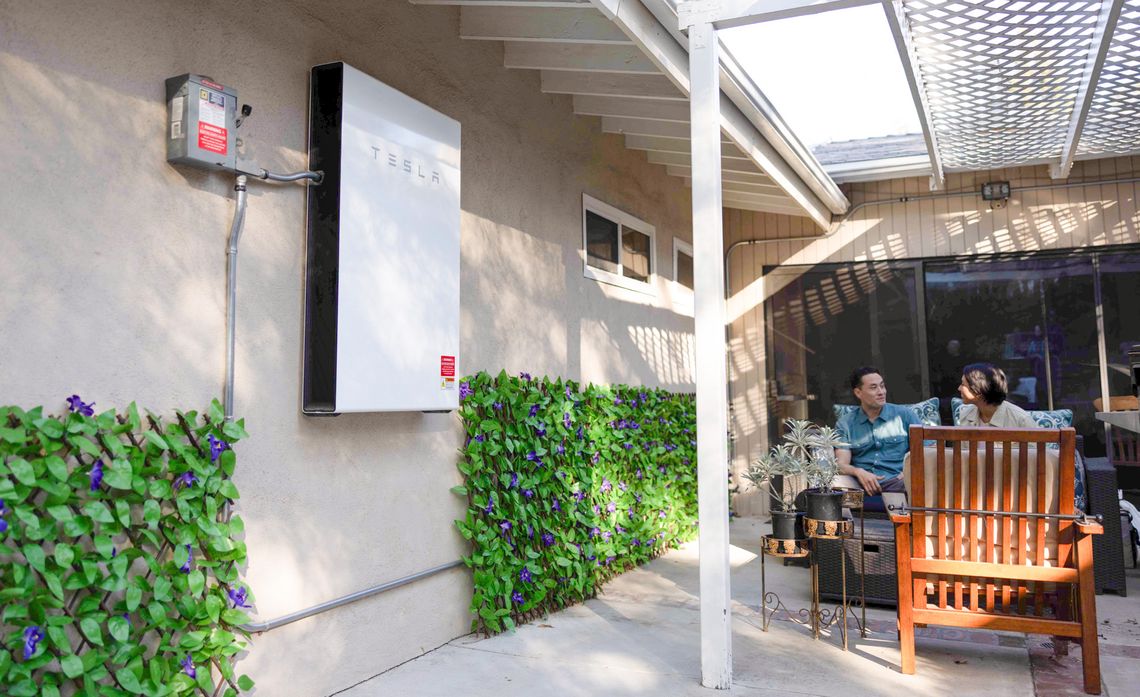
While VPP events have been done before, this most recent release was the largest in California history. It was made possible by combining the stored power of other investor-owned utility customers and partnering with the California Energy Commission, battery supplier Tesla, and solar and storage company, Sunrun.
Customers who participated in the July 29 event were enrolled in special demand response programs that offer financial incentives to reduce energy use or send power to the grid. Customers can set their battery’s participation level ahead of time, allowing a specific amount of stored energy to be used during a VPP event.
“By sending excess energy from home batteries to the electric grid, exactly when it’s needed, customers are helping create a more flexible electric system,” Robinson said. “That energy helps us respond to peak demand times more quickly and efficiently, while providing reliable power.”
As VPP technology improves, it will grow to encompass not only customer-owned batteries, but other resources as well — including electric vehicles, heat pump water heaters and smart appliances.
“Our customers showed us what’s possible,” Robinson said. “As we scale VPPs across our service area, we’ll be able to solve grid challenges in ways that are faster, cleaner and more cost-effective.”
For more on SCE’s clean energy efforts, visit edison.com/cleanenergy.