

Cutting Back Weeds Pushes Back Wildfire Risk


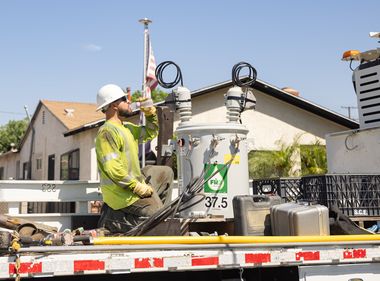


Cutting Back Weeds Pushes Back Wildfire Risk

In the Verdugo Mountains, where dry grass carpets the slopes, a four-person crew steers weedwhackers, mowers and a tractor methodically across 10 acres of land.
Their blades slash thousands of brittle stalks, carving a clear gap between dry brush and nearby homes as part of Southern California Edison’s Weed Abatement Program — a critical effort where crews clear vegetation on company-owned land parcels to create defensible space and reduce the risk of wildfire.
“We’re not just cutting weeds — we’re creating a safety buffer that could make all the difference if there is a fire,” said Sergio Guerrero, SCE Vegetation Management advisor. “It’s about protecting people’s homes and communities, especially those living in areas with high risk of fires.”
Vegetation Management crews clear brush from select SCE-owned properties in high fire risk areas to help prevent the spread of wildfire.
The crew’s focus for the day: a parcel in Shadow Hills that backs up to a customer’s home — one of nearly 1,300 SCE-owned pieces of land that Vegetation Management clears each year.
Guerrero and his team work closely with cities, counties, fire departments, businesses and customers to coordinate the removal of brush at least 100 feet from buildings and 20 feet from roads — something they’ve done many times at this location.
“This is a spot we come back to every year because of the wildfire risk in the area,” he said. “I’ve built a relationship with these homeowners, and they know to give me a call if the area needs work— we’ll get out as fast as we can.”
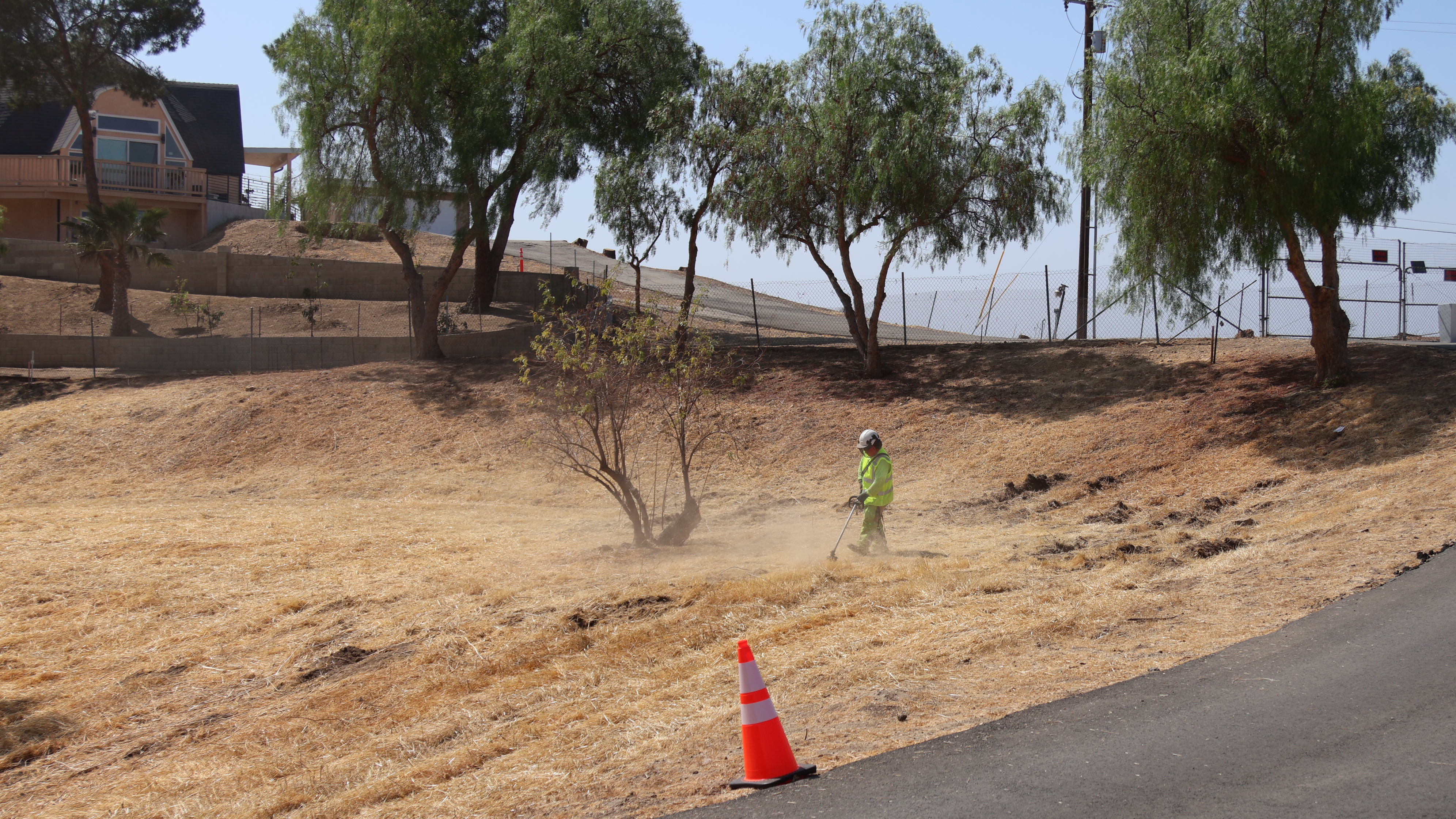
After crews clear the parcel, an herbicide is applied to prevent regrowth. A few months later, it’s reinspected to see if additional work is needed.
The program is one of several Vegetation Management strategies that support SCE's Wildfire Mitigation Plan.
“People tend to think of tree trimming when they hear ‘vegetation management,’ but weed abatement is just as important,” Guerrero said. “Dry grasses and brush can ignite quickly and spread fire fast. Clearing them out is one of the most effective ways we can reduce that risk.”
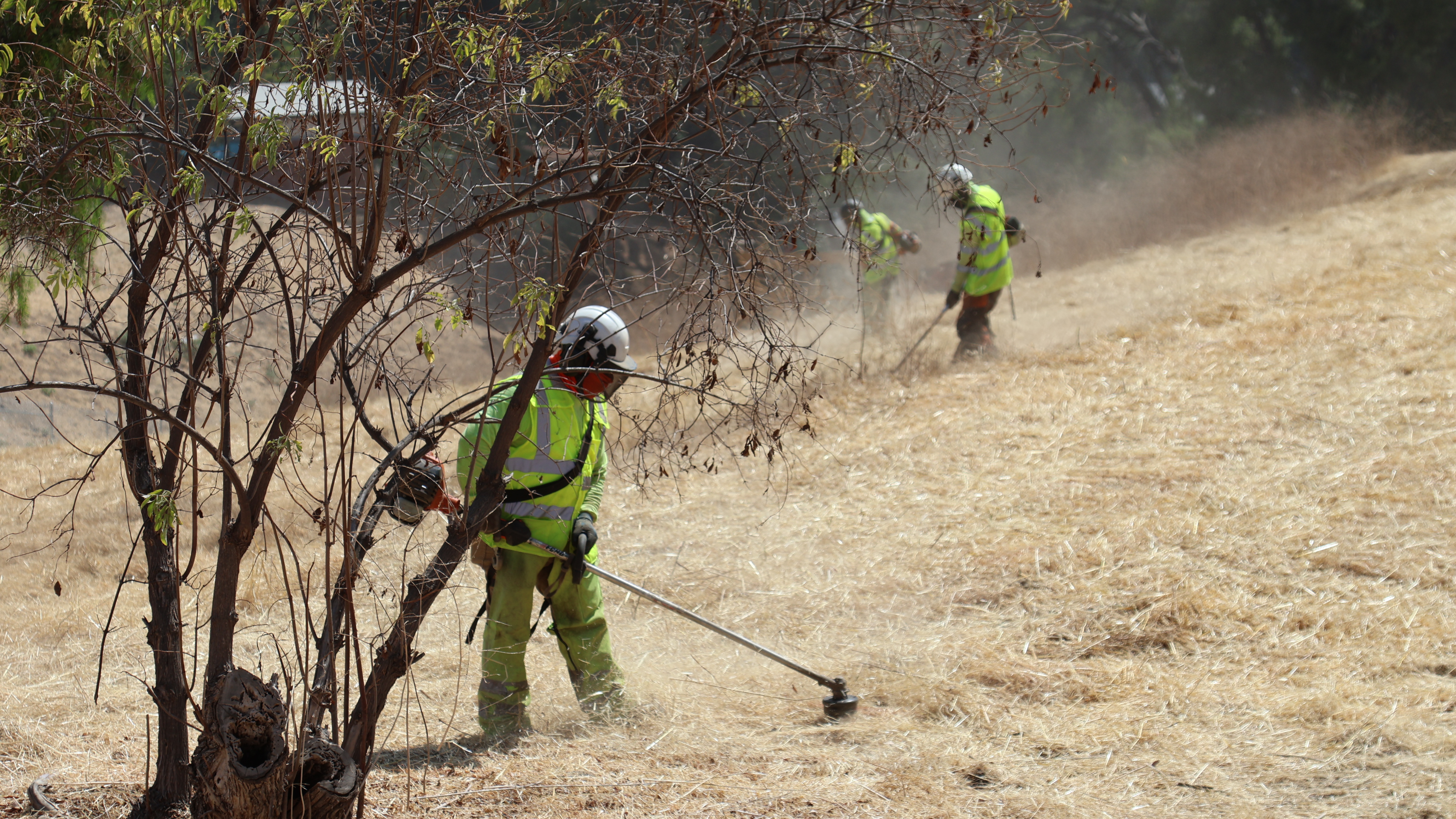
Crews use hand tools and tractors to maintain defensible space on one of nearly 1,300 SCE-owned parcels scheduled for weed abatement this year.
Proactive planning has further bolstered the program’s success over time. Guerrero’s team now schedules initial weed abatement on all parcels before July 4, when fire risk spikes due to fireworks and dry summer conditions. This approach has paid off — agency requests for weed abatement have dropped by more than 70% compared to last year.
"There’s always more opportunities to improve the program,” Guerrero said. “We work, year-round, so we can stay ahead of the risk and help protect our communities.”
For more information on SCE's wildfire mitigation efforts, visit sce.com/wildfire.