Similar to how doctors use thermometers to detect fevers before symptoms appear, Southern California Edison uses technology called distribution infrared scanning (DIRS) to take proactive temperature checks of its electric equipment.
Using thermal imaging cameras, SCE scans distribution lines in high fire risk areas to check for equipment that may be overheating. These preventative measures help avoid heat-related power outages and equipment from becoming a potential source of ignition.
“You can look at a pole and everything may look perfectly fine, but the thermal image could tell a different story,” said Kevin Nunes, SCE senior technical specialist in Inspections. “Heat signatures are one of the earliest signs that something’s wrong.”
This technology goes beyond the naked eye by detecting thermal signs of stress in equipment. It calculates the difference in temperature between electrical parts to catch heat anomalies, or “hot spots,” which helps diagnose equipment’s condition — including poor connections, overheated transformers, failing switch and fuse contacts, voltage drops and potential circuit overload.
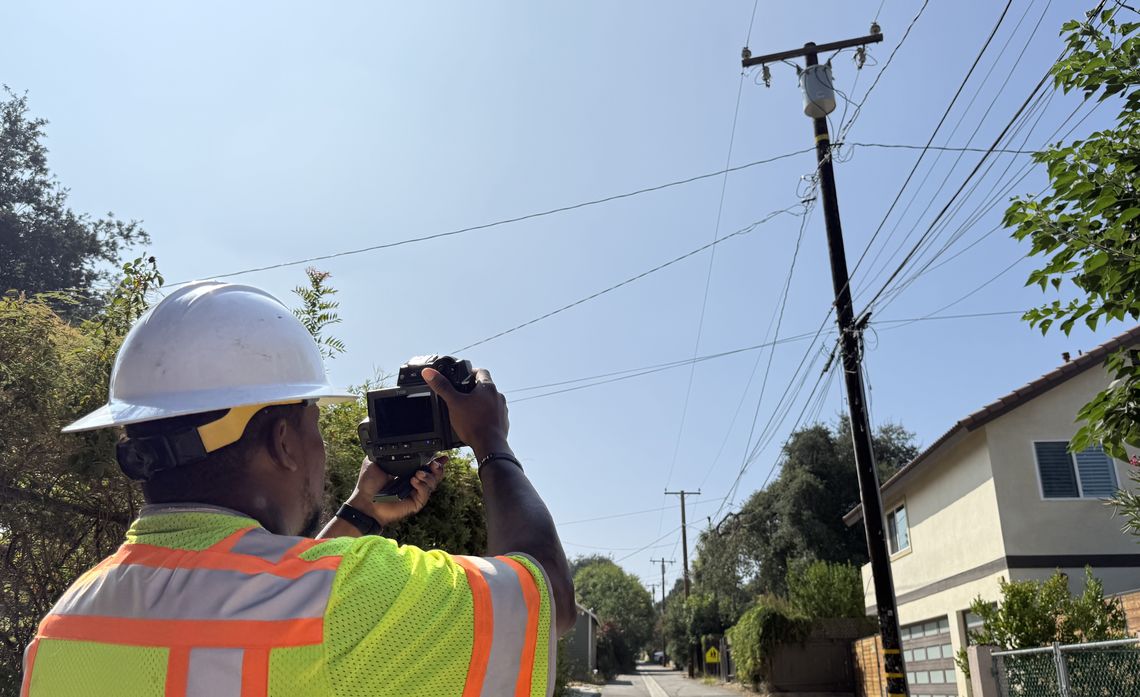
When a thermographer detects a hot spot during a patrol, they perform a 360-degree scan of the equipment to confirm whether the heat anomaly indicates an issue.
Most DIRS inspections are led by two-person crews, a driver and a thermographer, using a thermal imaging camera mounted to a slow-moving vehicle that scans equipment. The crews patrol 5,300 miles of circuits annually in SCE’s high fire risk areas as part of its Wildfire Mitigation Plan. Scheduled from May to September, these patrols align with peak summer energy use and fire season, monitoring equipment to flag issues when the electric grid is under the most stress.
“Every hot spot we catch is an opportunity for us to stay ahead of the risk,” said Nunes. “That’s the whole point — preventing wildfires before they even have a chance to start.”
As the lead on the DIRS program, Nunes has analyzed thousands of the rainbow-colored images captured by thermographers on circuit patrols. It’s his job to review the pictures, confirm suspected issues and create notifications for line crews to quickly safely and safely quickly perform repairs.
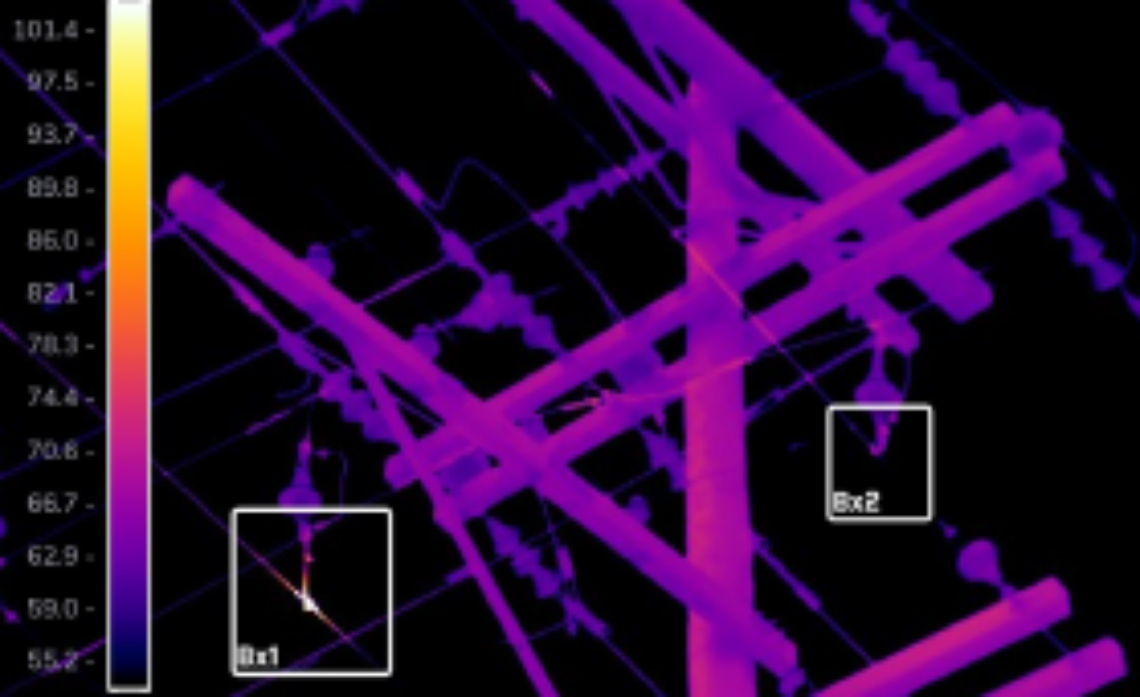
This process has proven effective in reducing the risk of wildfire among SCE’s high fire risk areas — finding and fixing hot spots that might otherwise overheat, warp, disconnect or potentially ignite a fire. This year, SCE exceeded its annual inspections target by 300 miles of additional circuits. Line crews have conducted over 300 repairs based on the findings in the past four years, with around 50 of those repairs occurring this year.
“I live in a high fire risk area, and I’m proud to know that what we do in this program helps safeguard my house and my neighbors’ homes by addressing risks before they cause issues,” said Nunes.
Nunes has seen the DIRS program evolve through data-driven improvements since its 2017 inception, including advanced risk modeling tools that prioritize areas for annual inspections using AI-powered simulations, historical data and weather data like temperature and fuel moisture.
Using this data over time, SCE can track patterns in faulty components to improve equipment’s construction quality before it reaches the field. In doing so, the program’s continuous feedback loop creates an electric grid that delivers power in a safer, more reliable way.
“The more DIRS technology improves and the more we learn from it, the better our grid becomes in helping us keep communities safe,” said Nunes.
For more information on SCE's wildfire mitigation efforts, visit sce.com/wildfire.