


Like a hummingbird among flowers, Charles Bennett is quick and precise as he darts around the crescent shape of nearly a dozen monitors. He glides from screen to screen in a swivel chair, cross-checking equipment repair orders with crew schedules and live maps of the electrical grid.
“The grid needs constant attention,” said Bennett, a system operator at Southern California Edison. “It’s like a living, breathing system that’s always changing.”
It’s his job to stay on top of those changes — monitoring and manipulating the grid remotely — so that power reaches homes and businesses safely and reliably.
Whether it’s a need to balance the supply and demand of electricity or to protect crews from high voltage while they work on equipment, Bennett and the other operators can do it. With the swipe of a mouse or a phone call, they can “shift load” — rerouting the flow of power.
Shifting load is how Bennett minimizes the number of customers impacted by outages from things like extreme weather or Public Safety Power Shutoffs. When a certain circuit has a problem, system operators can temporarily switch the customers on that line to another, keeping their power on while the issue is fixed. Think of them as road detours for electricity to avoid a construction area.
“When we can anticipate an incoming issue and divert power, so that customers can keep their lights on, it’s a good feeling,” said Bennett. “Our whole job is to make sure power stays flowing. It can be a tricky task, but a rewarding one.”
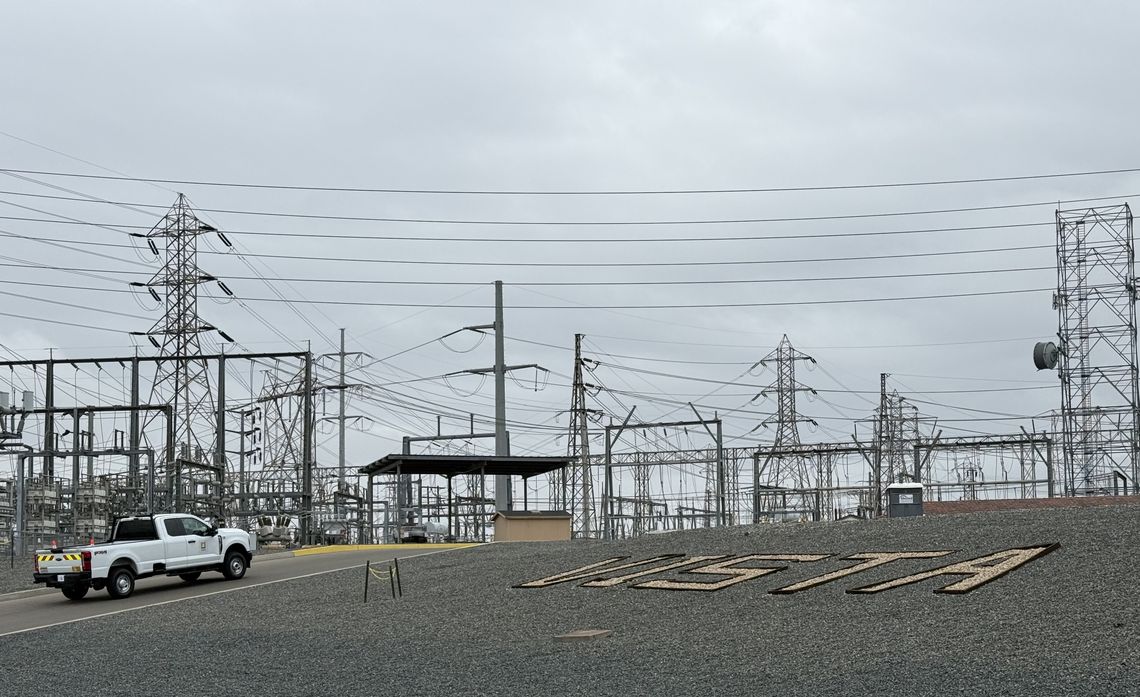
He is based out of the Vista Switching Center, one of several hubs coordinating electric flow 24/7 across SCE’s 50,000-square-mile service area.
When he’s not creating new paths for power, he’s on the phone with crews, helping complete crucial equipment work.
“Vista Switching Center, Bennett speaking,” he said, answering the phone with his signature greeting.
On the line with a troubleman, Bennett reviews a switching program he developed, including step-by-step instructions explaining how to safely turn power on and off for parts of a circuit that must be operated manually from the field. With Bennett’s help, the troubleman was able to repair the equipment.
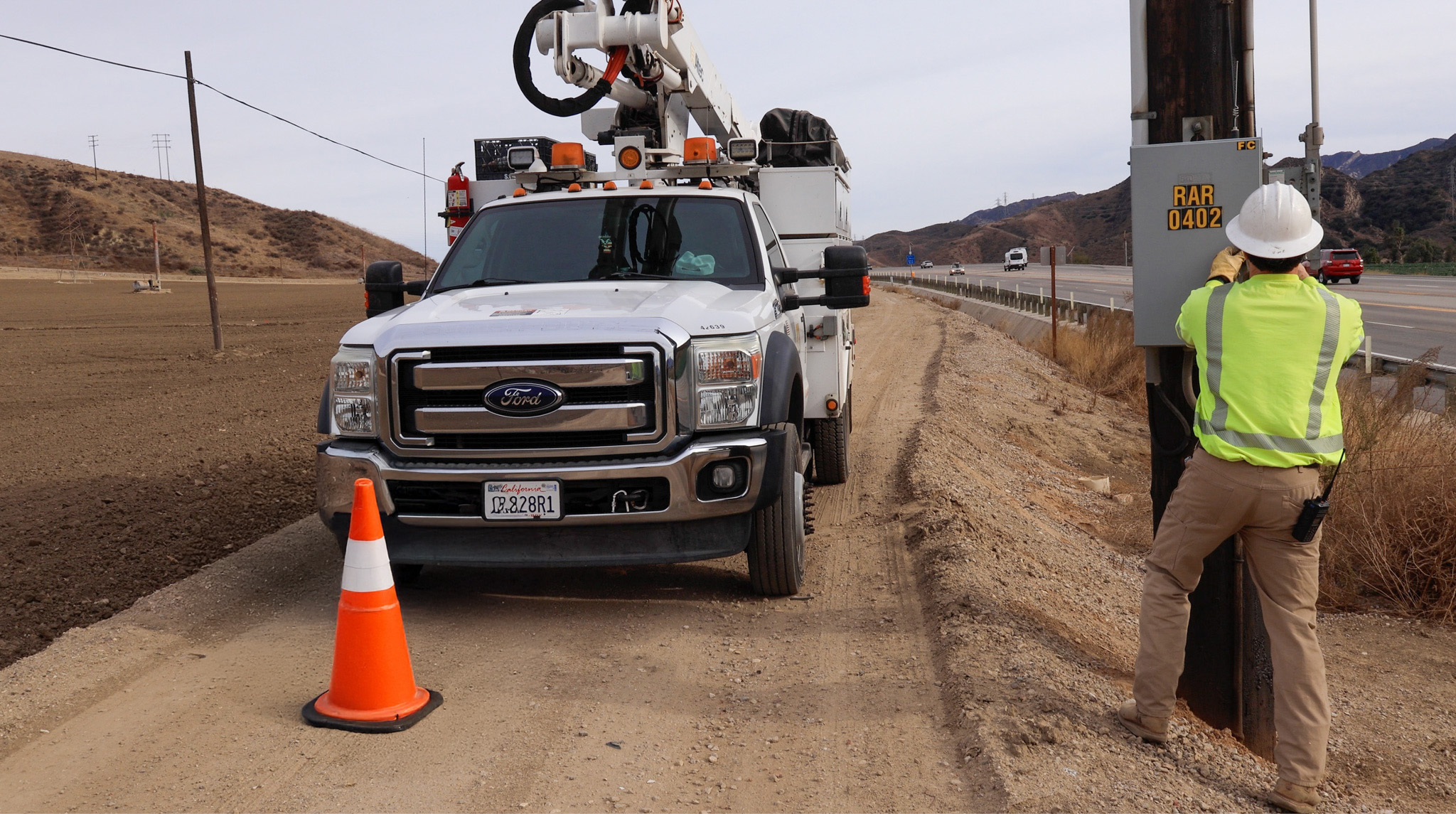
It’s one of the countless calls he’ll answer today from SCE’s workforce: lineworkers, substation operators, engineers, incident management teams and others.
Bennett hangs up, snapping into place another piece of the puzzle that keeps the grid reliable and communities safe — including his own.
Whenever Bennett’s 10-year-old asks his dad to describe the job in a nutshell, Bennett sticks to the basics: "I tell him it's my job to keep the lights on, so he can play video games and go to school."
I tell him it's my job to keep the lights on, so he can play video games and go to school."
Charles Bennett, SCE system operator, talking about his son
To learn more about careers at SCE, visit edisoncareers.com.


