Most campers worry about bears or bad weather, but few realize the real danger might be in their camping setup.
By following a few simple safety tips, you can keep your camping trip from turning into an unexpected tangle of stress and spoiled plans.
Campers are often unaware of or overlook important safety guidelines related to campsite hookups, which can pose serious risks if not followed properly. In fact, around 400 to 500 people die every year in tents and campers from carbon monoxide poisoning, mainly from malfunctioning heaters or fossil-fueled generators.
Follow these tips for an electrically safe camping trip.
Before plugging in:
- Make sure you have the correct adapter and match the RV’s needs to the pedestal.
- Always pack a fire detector and carbon monoxide detector.
- Ensure you have a general ABC fire extinguisher.
- Inspect all equipment, including plugs, cords and connectors for damage.
- Check that your RV or camper’s electrical system is operating properly.
- Use a multimeter to check the polarity of the power pedestal and verify correct wiring and voltage.
- Always connect a surge protector or Electrical Management System between the power pedestal and RV to protect against voltage spikes.
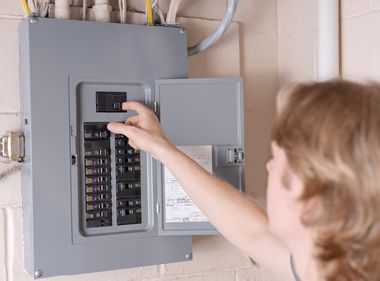
- Familiarize yourself with the location of your RV’s breaker panel and the campground’s power pedestal breakers in case of emergency.
- Switch off the breaker at the power pedestal before plugging in your RV.
While hooked up:
- Avoid allowing plugs or cords to sit in or near water. If rain is expected, use waterproof covers or elevate connections.
- Try not to use too many appliances at once — overloading circuits can cause overheating or damage breakers.
- Use Ground Fault Circuit Interrupters to prevent electric shock. If your RV doesn’t already have them built in, portable GFCI adapters are available.
- Always keep cords organized and away from high-traffic areas to avoid tripping hazards and damage to your RV setup.
For more information about electrical safety, visit sce.com/safety.