Dorm move-in is all about maximizing comfort in minimal space — though plugging a coffee maker, mini-fridge and hair dryer into one outlet isn’t exactly an ideal start.
Most structure fires in dormitories, fraternities, sororities and other related properties start from cooking and electrical issues. From 2019 to 2023, United States fire departments responded to over 3,200 college-related structure fires, which caused three deaths, 19 injuries and $19 million in property damage.
“One of the most important parts of the college experience is learning to live independently and doing so safely,” said Scott Mitchell, Southern California Edison principal manager of Wildfire and Public Safety Risk. “Electrical safety might not be on the top of every student’s mind, but one faulty charger or overloaded outlet can turn a dorm room into a danger zone.”
With thousands of students heading to the more than 200 college campuses in SCE’s service area — and September recognized as Campus Fire Safety Month — now is the perfect time to get familiar with safety practices to prevent electrical shock and fire hazards:
- Store lithium-ion devices safely. Keep all devices with rechargeable batteries away from heat sources, direct sunlight and flammable materials. Never charge them overnight or unattended.
- Know the signs of battery trouble. If a battery swells, smells strange or gets hot, stop using it and move it to a safe area immediately. Recycle it safely — never toss it in the trash.
- Don’t charge devices on soft surfaces. Beds, couches and piles of clothes trap heat. Always charge on a hard, flat surface with good airflow.
- Unplug kitchen appliances when not in use. Microwaves, coffee makers and kettles can overheat if left plugged in. Dorm circuits are limited — don’t push them.
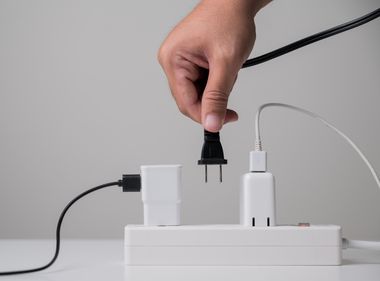
- Avoid extension cord overload. High-wattage appliances should go directly into wall outlets. Power strips aren’t built for heavy-duty use.
- Inspect cords and plugs during move-in. Look for frayed wires, bent prongs or scorch marks. Replace damaged cords — don’t tape or twist them.
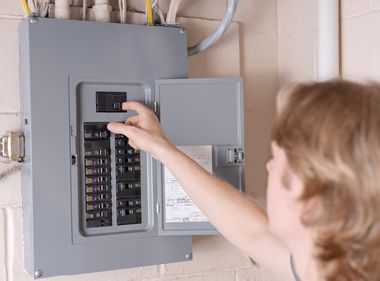
- Don’t overload outlets. Too many devices on one outlet can trip breakers or start fires. Use surge protectors with built-in circuit breakers.
- Keep electronics away from water. Sinks, humidifiers and open windows are risky spots to keep appliances.
- Use smart plugs with auto shut-off. These can turn off devices after a set time — perfect for coffee makers and other easy-to-forget appliances.
For more safety information, visit sce.com/safety.