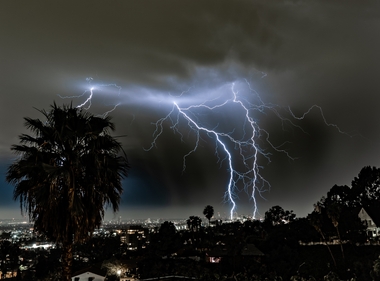
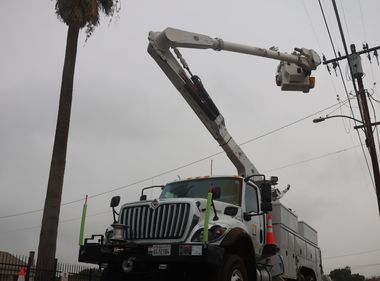
When heavy rain and flooding hit, it’s important to plan ahead and be prepared. Follow these tips to stay safe during storms.
- Watch for Downed Wires — Severe weather can cause power lines to fall. Always assume a downed wire is energized and never approach it. Stay away and call 911 immediately.
- Preparedness Kit — Make sure you include flashlights, batteries, cash and first aid supplies. Use this preparedness kit checklist to make sure you have everything you'll need.
- Prepare Your Home — Clear gutters and outdoor drains to help eliminate the risk of water damage from clogging. Use a sturdy ladder, be aware of your surroundings and stay at least 10 feet away from power lines. Sandbags can also be used to help protect your home and property before a storm.
- Trees and Vegetation — Prepare now for stormy weather. Submit a tree trimming request by calling 800-990-7788 if you observe trees or other vegetation that are dead, dying or leaning into overhead power lines.
- Emergency Apps — Check out the emergency apps from the American Red Cross to help you prepare for an emergency or major disaster, such as floods or earthquakes. You can also download the MySCE app on your iOS or Android device to get outage updates at your fingertips.
- Inspect Your Car — Make sure your windshield wipers are working. Check your tire tread with a simple penny test.
- Use a Flashlight — Opt for a flashlight instead of candles during an emergency to avoid fire risk.
- Watch Traffic Signals — Watch for traffic signals that may be out and approach those intersections as four-way stops. Remember that if your windshield wipers are on, your headlights should be on as well.
- Secure Trash and Debris — Make sure to secure trash and other items that could potentially blow away.
Here are some additional winter storm safety tips:
- Beware of flooding. Just 6 inches of moving water can knock you down, and 2 feet can sweep your vehicle away.
- Never try to remove a broken tree limb or branch that has come in contact with a power line.
- Make sure you have a battery-operated radio and flashlights. Check the batteries to make sure they’re fresh.
- If you use a generator, place it outdoors and plug individual appliances directly into it, using heavy-duty extension cords. Connecting generators directly to household circuits creates backfeed, which is dangerous for repair crews.
- Don’t leave your space heater unattended and unplug it when not in use. Consider getting a space heater that has an automatic shut-off.
For more safety tips, visit: sce.com/safety.