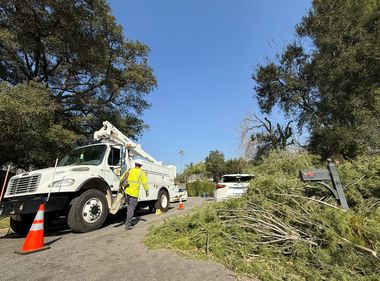
While Southern California Edison does everything it can to deliver reliable energy, situations such as car crashes, storms, natural disasters and wildfire risk can cause power outages. These outages can last from a few seconds up to several days, depending on the severity of the situation.
That’s why having a backup generator in your emergency preparedness plan is important. In a pinch, generators can turn lights on, keep the fridge cold, power Wi-Fi routers and make sure your devices are charged until power is restored.
“Having a generator can give you peace of mind and tide you over during an unexpected outage,” said Scott Mitchell, SCE principal manager of Public Safety. “This is especially important for our more vulnerable customers who rely on critical medical equipment.”
While a generator can be a reliable plan B, it also comes with certain safety hazards. Which type you choose and how you install it is crucial in making sure they operate safely.
Portable backup generators vary in capacity and fuel type. Depending on the model it can power smaller devices and appliances for extended periods. Most generators must be manually operated during an outage.
Another option is to have a licensed electrician install a backup generator directly to your home’s electrical system which can power the entire home and turns on automatically when power goes out.
Generator Safety Tips:
- Beware of backfeed: Never try to power your house by plugging a generator into a wall outlet or temporarily wiring into the electrical panel. This can be extremely dangerous to you, your neighbors and utility workers who may be working on nearby power lines.
- Use heavy duty extension cords: Connect appliances to a portable generator using a properly sized extension cord.
- Choose a safe location: Place your generator outdoors in a well-ventilated area, away from windows, doors and vents to prevent carbon monoxide buildup.
- Mitigate fire hazards: Ensure there are no flammable materials or vegetation in the area and that fuels such as gasoline, propane and diesel are safely stored and handled.
- Avoid overloading: Check the manufacturer’s rating for loading instructions.
- Don’t run cords under carpet, rugs or furniture: Heat could build up or the cords could be damaged without you knowing, creating a fire or electrocution hazard.
- Consult a licensed electrician: If you decide to permanently wire a stationary generator directly to your home or business, hire a licensed electrician to determine the proper set up and connect it. You also need to contact SCE first by calling 1-800-655-4555 to inform them of your backup system — it is the law.
- Battery Alternatives: Consider a battery powered portable power station that can be charged in advance and ready to power small electronics during an outage. A battery can be operated safely and quietly with no harmful fumes.
For more information on types of generators visit sce.com/marketplace.