

The future of electrification is rapidly arriving for those tasked with upgrading the grid to handle the unprecedented growth and demand for electric power that’s needed to meet California’s climate-related goals.
Edison International’s Countdown to 2045 analysis predicts electricity demand will increase by 80% over the next two decades, driven partly by a radical transformation of the transportation industry where nine out of every 10 vehicles will be an electric vehicle.
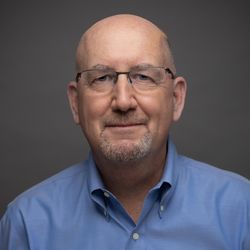
“We’re starting to see real-world examples today,” said Russell Ragsdale, Southern California Edison’s director of Program Management. “Not only do we have to continue to upgrade the grid, we’re going to have to do it at an exponential rate. And there are some challenges we’re going to have to overcome to get there.”
Since 2021, SCE has received more than 700 requests to connect transportation electrification facilities to the grid with a load capacity greater than 500 kilovolt-amps in support of large projects.
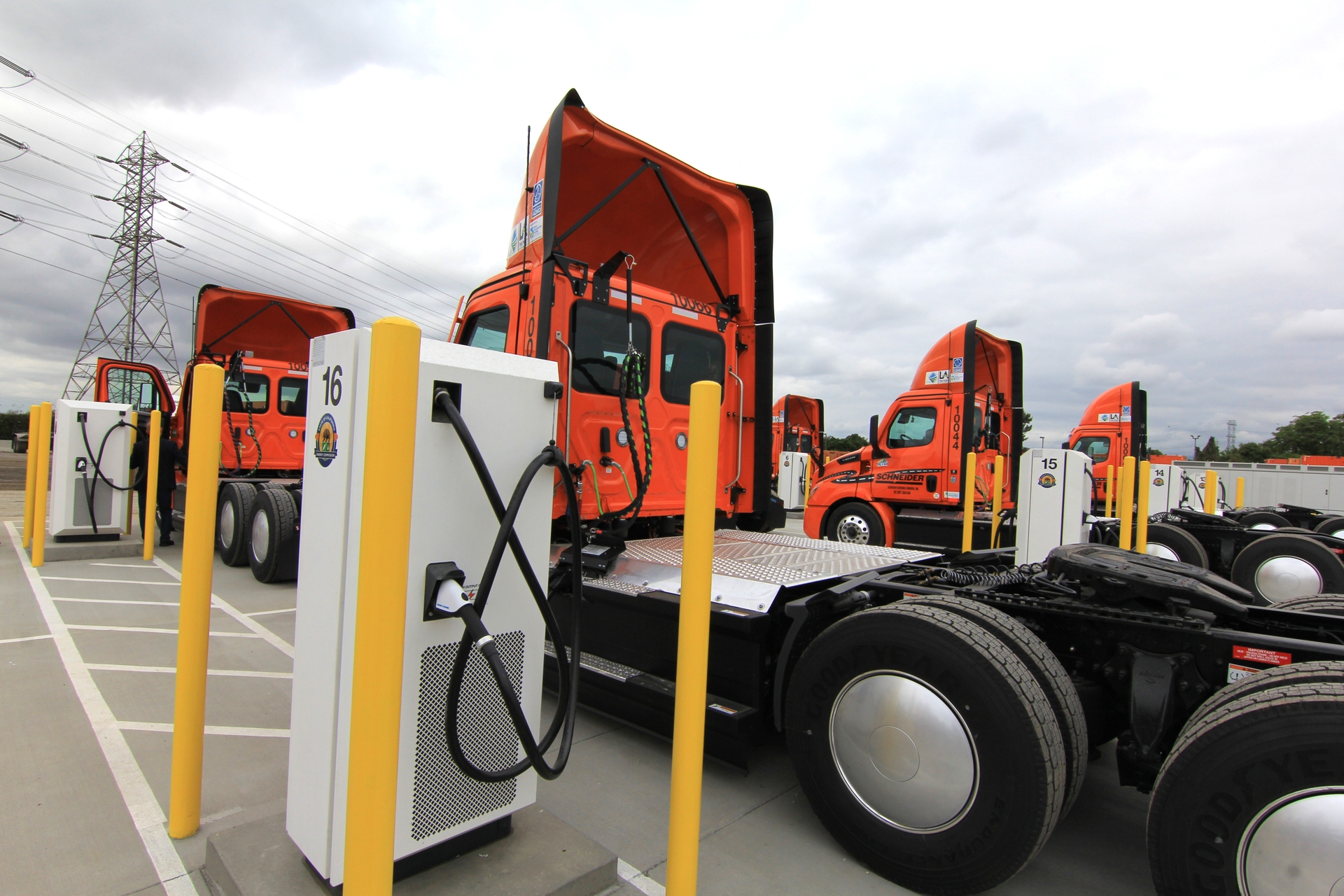
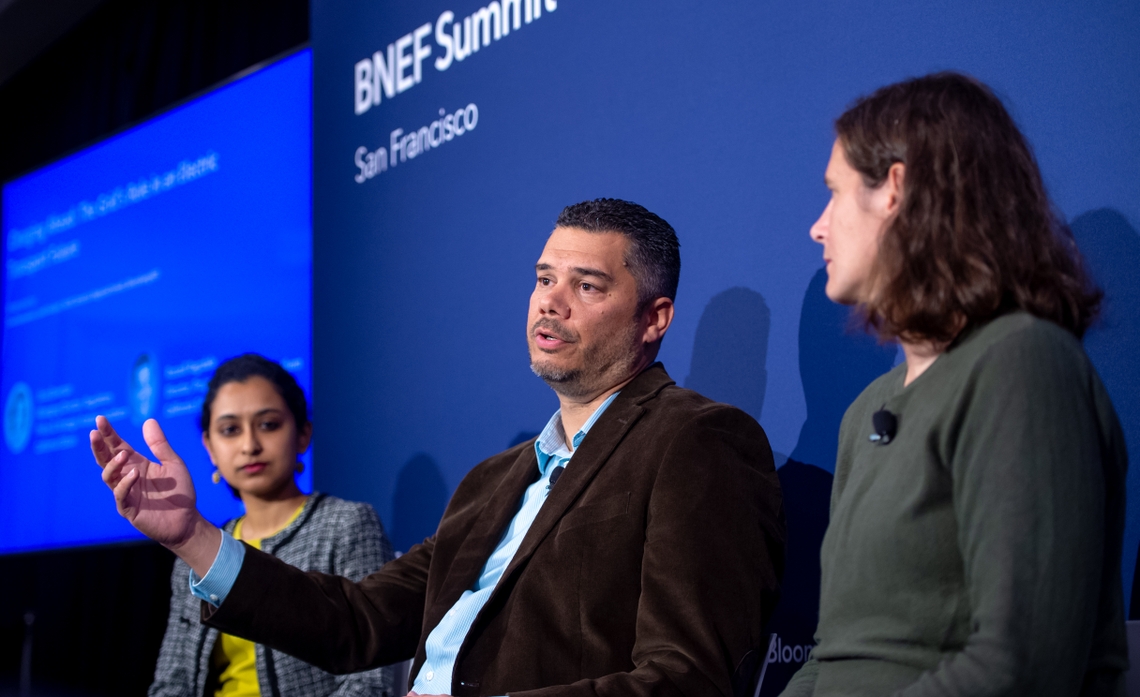
“These are customers that may be transforming entire fleets of vehicles to electrification,” Ragsdale told a standing-room-only audience at the recent Bloomberg New Energy Finance Summit in San Francisco. “When you think about residential customers adding an EV here or there, that’s a little bit easier to manage. But when you have an industrial or commercial facility saying: ‘We’ve got 50 electric vehicles coming in, and we want to start charging them in a few months,’ those have a really big impact.”
In the short term, SCE is managing those requests through a combination of strategies, including shifting load between circuits, building facilities to increase capacity, working with customers to optimize how they’re charging vehicles and potentially using mobile energy storage.
But Ragsdale says the long-term solution involves working internally and with customers to help improve the forecasting of future electricity demand. It is critical that SCE can build expanded grid capacity proactively, ahead of formal customer connection requests.
“It’s very important that customers who are even thinking about doing a major project let us know as soon as possible. It ultimately will help us make sure the grid is ready in time,” Ragsdale said.
Perhaps the most daunting challenge is overhauling burdensome local, state and federal siting and permitting processes.
“It really shouldn’t take us seven years to get permits to build a substation,” Ragsdale said. “We need approvals from cities, counties, state and federal jurisdictions — it’s a very inefficient process. We think there’s an opportunity for more coordination across those government entities.”
Despite the challenges, Ragsdale remains optimistic that the transportation electrification revolution will succeed, perhaps not exactly as outlined in Countdown to 2045, but in a way that helps SCE and California meet their climate change-related goals.
“As a company, we have a clear vision, and I’m highly confident,” Ragsdale said. “When you look across California, we all recognize where we need to go, and it requires all of us to work together.”
For more information about SCE’s commitment to clean energy, visit edison.com/cleanenergy.


 and SCE's Erica Bowman (r), managing director of Regulatory Policy.=http://energized.staging1.iprdev.com/_gallery/get_file/?file_id=65cd0ae43d633287eb87b15e&file_ext=.jpg&page_id=65cd032e3d6332880a87c7f2)